

Electra Provides Update on Cobalt Refinery Project
TORONTO--(BUSINESS WIRE)--Oct 23, 2023--
2023-10-23 19:23

US and EU Lead Push for COP28 to Back Tripling of Renewables
The US and the European Union are leading a global push for the United Nations’ climate talks to
2023-11-11 02:17

Top-Ranked Fund Trims Japan Chip Stocks for Soap, Noodle Makers
A top-performing equity fund is pocketing gains on Japanese chipmakers to buy shares left behind during the market’s
2023-07-04 06:28
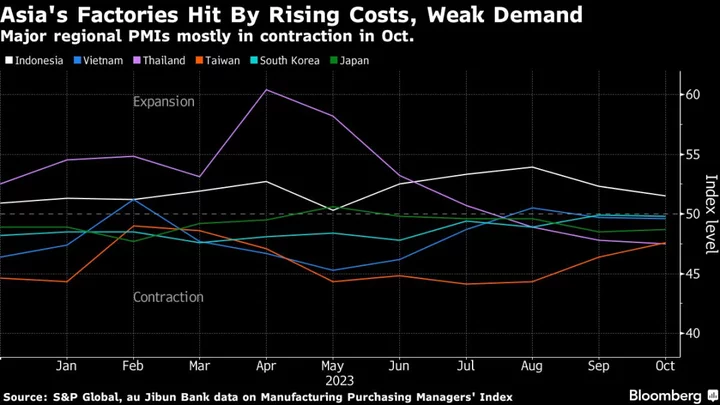
Asia Factories Grapple With High Costs Amid Israel-Hamas War
Manufacturing activity in Asia slumped again in October as conflict in the Middle East drove oil prices higher,
2023-11-01 11:27

Private Equity Snaps Up UK Health Companies as NHS Struggles: FT
Private equity firms have acquired numerous UK healthcare companies over the past two years as they seek to
2023-08-13 19:59

Debt ceiling battle delays sweeping annual defense policy bill
By Patricia Zengerle WASHINGTON U.S. congressional leaders on Wednesday put off debate on the National Defense Authorization Act,
2023-05-11 06:51

Nobel winner Maria Ressa acquitted of tax evasion though she faces 2 more legal cases
Nobel Peace Prize winner Maria Ressa has been acquitted of a final tax evasion charge though she still faces two remaining legal cases she believes the former Philippine president used to muzzle her critical reporting
2023-09-12 15:55

Citigroup says some predecessor companies likely saw indirect financial benefits from slavery
Some of the companies that formed what is now Citigroup likely benefitted financially from slavery in the 1800’s, the financial giant acknowledged Thursday, an admission that comes at a time when numerous institutions are re-examining their historic roots and the roles they played in slavery in the U.S. In research conducted last year, Citi found that none of its predecessor companies directly purchased, sold, or held slaves
2023-07-28 07:22

First Quantum responds to challenges against a key Panama law
Canadian miner First Quantum Minerals on Tuesday responded to opposition to Law 406, which approves the refreshed mining
2023-10-31 21:59

Vietnam set to raise effective tax rate on multinationals as part of global deal
HANOI Vietnam's parliament is set to approve on Wednesday a top-up tax for multinationals, which will raise the
2023-11-27 10:55

Kering sales down 9% as luxury slowdown stalls revamp
By Mimosa Spencer PARIS French luxury group Kering reported a bigger-than-expected drop in third quarter sales, underperforming major
2023-10-25 03:26
Debt ceiling talks stuck on classic problem: Republicans demand spending cuts and Democrats resist
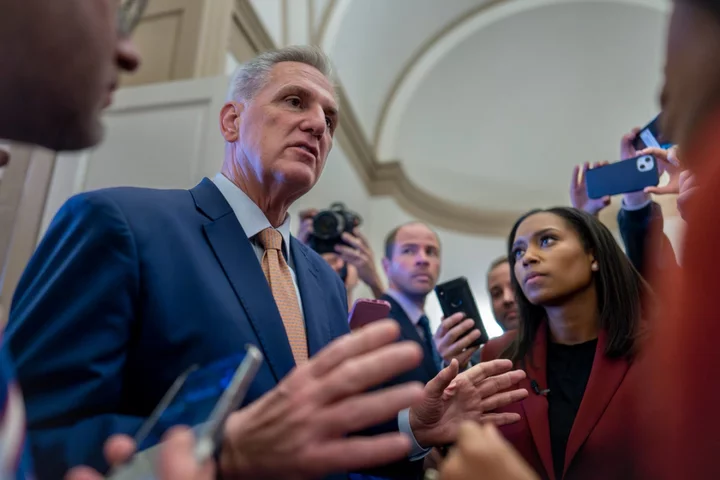
Debt ceiling negotiations are locked on a classic problem that has vexed, divided and disrupted Washington before: Republicans led by House Speaker Kevin McCarthy want to roll back federal government spending, while President Joe Biden and other Democrats do not. Time is short to strike a deal before a deadline as soon as June 1, when the Treasury says the government risks running out of cash to pay its bills. Negotiators are expected to convene Wednesday for another round of talks as frustration mounts. The political standoff is edging the country closer to a crisis, roiling financial markets and threatening the global economy. “They’ve got to acknowledge that we’re spending too much,” said McCarthy. Cheered on by a hard-charging conservative House majority that hoisted him to power, McCarthy, R-Calif., was not swayed by a White House counter-offer to freeze spending instead. “A freeze is not going to work,” McCarthy said. The longstanding Washington debate over the size and scope of the federal government now has just days to be resolved. Failure to raise the nation's debt ceiling, now at $31 trillion, would risk a potentially chaotic federal default, almost certain to inflict economic turmoil at home and abroad. From the White House, press secretary Karine Jean-Pierre said it was “ridiculous” to suggest Biden wasn’t acting with urgency after Republicans complained about the pace. “He wants to see this done as soon as possible,” she said. Dragging into a third week, the negotiations over raising the nation's debt limit were never supposed to arrive at this point. The White House insisted early on it was unwilling to barter over the need to pay the nation’s bills, demanding that Congress simply lift the ceiling as it has done many times before with no strings attached. But the newly elected speaker visited Biden at the Oval Office in February, urging the president to come to the negotiating table on a budget package that would reduce spending and the nation’s ballooning deficits in exchange for the vote to allow future debt. “I told the president Feb. 1," McCarthy recounted. "I said, Mr. President, you’re not going to raise taxes. You've got to spend less money than was spent this year.” Negotiations are focused on finding agreement on a 2024 budget year limit. Republicans have set aside their demand to roll back spending to 2022 levels, but say that next year’s government spending must be less than it is now. But the White House instead offered to freeze spending at current 2023 numbers. “We are holding firm to the speaker’s red line,” said a top Republican negotiator, Rep. Garret Graves of Louisiana. “Which is that we will not do a deal unless it spends less money than we’re spending this year.” By sparing defense and some veterans accounts from reductions, the Republicans would shift the bulk of spending reductions to other federal programs, an approach that breaks a tradition in Congress of budget cap parity. Graves said there were still “significant gaps” between his side and the White House. Agreement on that topline spending level is vital. It would enable McCarthy to deliver spending restraints for conservatives while not being so severe that it would chase off the Democratic votes that would be needed in the divided Congress to pass any bill. But what, if anything, Democrats would get if they agreed to deeper spending cuts than Biden's team has proposed is uncertain. Asked what concessions the Republicans were willing to give, McCarthy quipped, “We’re going to raise the debt ceiling.” The White House has continued to argue that deficits can be reduced by ending tax breaks for wealthier households and some corporations, but McCarthy said he told the president at their February meeting that raising revenue from tax hikes is off the table. The negotiators are now also debating the duration of a 1% cap on annual spending growth going forward, with Republicans dropping their demand for a 10-year cap to six years, but the White House offering only one year, for 2025. Typically, the debt ceiling has been lifted for the duration of a budget deal, and in this negotiation the White House is angling for a two-year agreement that would push past the presidential elections. Past debt ceiling talks have produced budget agreements in which both parties have won some concessions in a give and take. Both have wanted to raise the debt limit to prevent a economy-shattering federal default. Graves explained the Republican position this time around. Since Biden already boosted federal spending in significant ways with his COVID-19 rescue package, Inflation Reduction Act and other bills, “they've already got theirs.” “We’re willing to give them an increase in debt ceiling. That’s what they’re getting,” he said. And yet, the Republicans are pushing additional priorities as the negotiators focus on the $100 billion-plus difference between the 2022 and 2023 spending plans as a place to cut. Republicans want to beef up work requirements for government aid to recipients of food stamps, cash assistance and the Medicaid health care program that the Biden administration says would impact millions of people who depend on assistance. All sides have been eyeing the potential for the package to include a framework to ease federal regulations and speed energy project developments. They are all but certain to claw back some $30 billion in unspent COVID-19 funds now that the pandemic emergency has officially lifted. The White House has countered by keeping defense and nondefense spending flat next year, which would save $90 billion in the 2024 budget year and $1 trillion over 10 years. The House speaker promised lawmakers he will abide by the rule to post any bill for 72 hours before voting, making any action doubtful until the weekend — just days before the potential deadline. The Senate would also have to pass the package before it could go to Biden's desk to be signed. McCarthy faces a hard-right flank in his own party that is likely to reject any deal, and that has led some Democrats to encourage Biden to resist any compromise with the Republicans and simply invoke the 14th Amendment to raise the debt ceiling on his own, an unprecedented and legally fraught action the president has resisted for now. ___ Associated Press writers Farnoush Amiri, Stephen Groves, Kevin Freking, Chris Megerian, Darlene Superville and Mary Clare Jalonick contributed to this report. Read More Ukraine war’s heaviest fight rages in east - follow live Charity boss speaks out over ‘traumatic’ encounter with royal aide Just in case: Anxious retirees, social service groups among those making default contingency plans Marjorie Taylor Greene pays $100k for chapstick used by Kevin McCarthy Debt ceiling talks grind on, but Republicans say there's a 'lack of urgency' from White House
2023-05-24 12:54
You Might Like...

Deutsche Telekom slightly raises 2023 profit outlook

State Department sanctions 2 former Salvadoran leaders, dozens of officials in Central America

National Australia Bank's third-quarter cash profit rises 5%, announces $973 million share buyback

Kraft Heinz misses quarterly forecasts as higher prices dent volumes
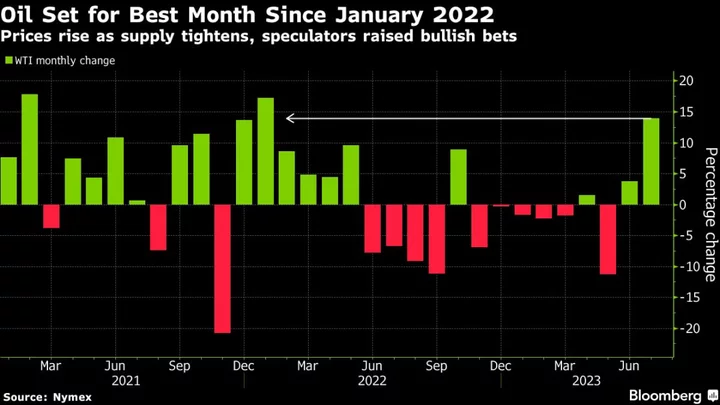
Oil Set for Best Month Since Early 2022 as Market Tightens

IMF head welcomes Europe's interest rate hikes in campaign against inflation

The Social Security cost-of-living adjustment is coming -- but it won't be as big as this year's

GE Appliances Blue Wave Circles the Globe